


Amazon Connect vs. Legacy Systems: Cost and Performance Comparison
A comprehensive analysis of how cloud-native Amazon Connect compares to legacy on-premise contact center systems in terms of cost, scalability, and performance.

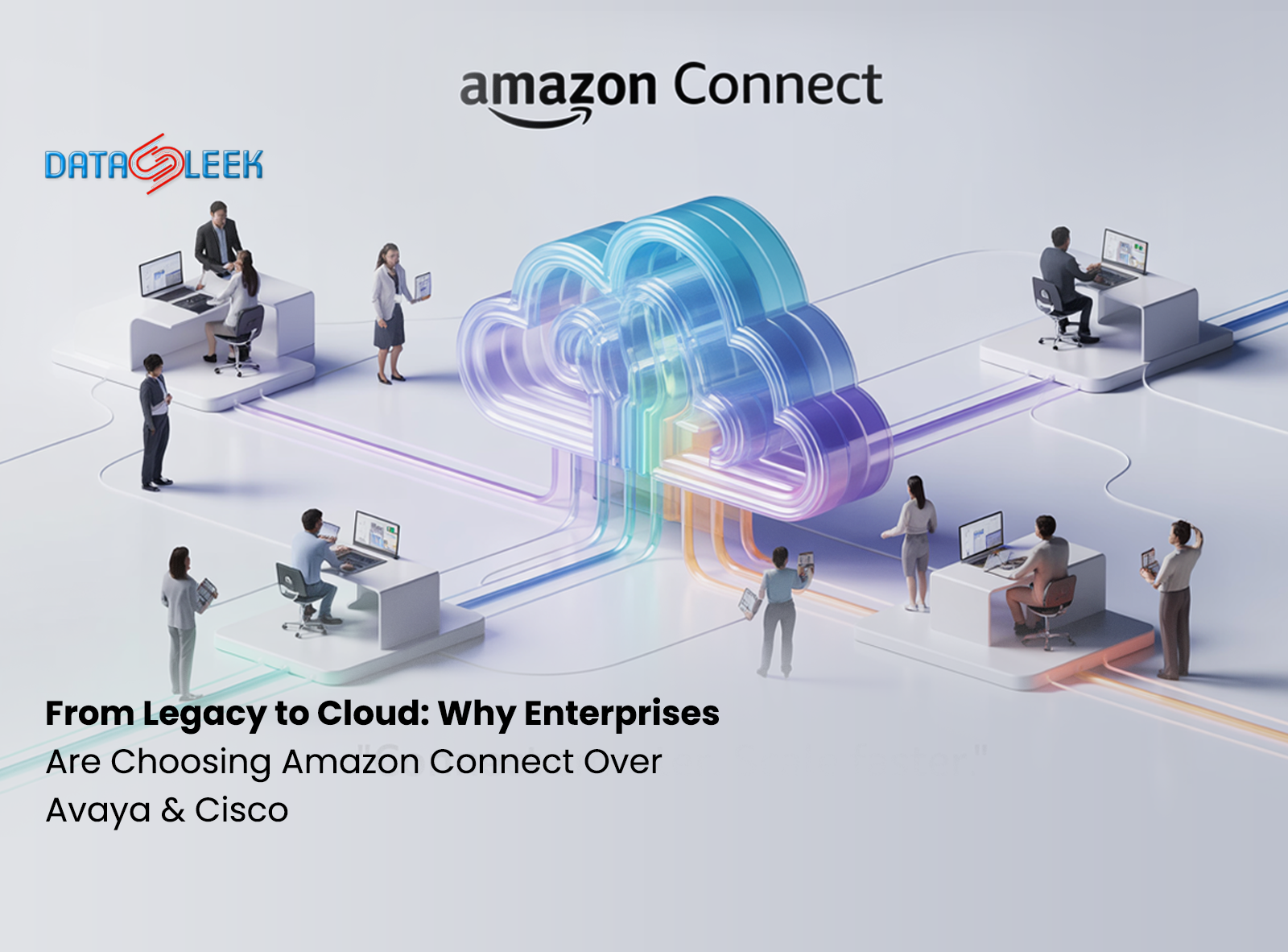
The contact center industry is experiencing a fundamental shift from legacy on-premise systems to cloud-native platforms. Amazon Connect, built on AWS infrastructure, represents the next generation of contact center technology—but how does it really compare to traditional systems?
Deployment Time: Days vs. Months
Legacy Systems: Traditional on-premise contact centers require 30-90 days for deployment. This includes hardware procurement, infrastructure setup, software installation, configuration, and extensive testing.
Amazon Connect: Cloud-native platforms can be deployed in days, not months. There's no hardware to order, no infrastructure to build, and no complex installation process. You can start routing calls within a week.
Cost Model: Transparent vs. Hidden Fees
Legacy Systems: High fixed costs with hidden fees for maintenance, upgrades, and support. You pay for capacity you may never use, and surprise charges for "professional services" are common.
Amazon Connect: Usage-based, transparent pricing. You pay only for what you use—minutes, agents, and features. No upfront capital expenditure, no maintenance contracts, and no surprise fees.
Scalability: Instant vs. Manual
Legacy Systems: Scaling requires manual infrastructure changes, additional hardware purchases, and often weeks of planning. Adding 10 agents might require new servers, licensing negotiations, and downtime.
Amazon Connect: Scale from 1 to 1,000+ agents instantly with zero infrastructure changes. Add or remove capacity in real-time based on demand. Elastic scaling means you never pay for unused capacity.
Uptime Guarantee: Enterprise-Grade vs. 95-99%
Legacy Systems: Most on-premise systems offer 95-99% uptime guarantees, which translates to 3-18 hours of downtime per month. When systems fail, you're responsible for troubleshooting and repairs.
Amazon Connect: Enterprise-grade uptime SLA backed by AWS infrastructure. With redundant routing, automatic failover, and global infrastructure, downtime is measured in minutes per year, not hours per month.
Built-In Features: Native vs. Add-Ons
Legacy Systems: Core features are limited, and advanced capabilities like AI, analytics, and CRM integration require expensive third-party add-ons or custom development.
Amazon Connect: Native AWS AI capabilities including Contact Lens (transcription, sentiment analysis), Amazon Q (agent assistance), Amazon Lex (IVR bots), and Voice ID (biometrics) are built-in and accessible via API.
Updates: Automatic vs. Manual
Legacy Systems: Manual upgrade cycles require downtime, testing, and often professional services. Upgrades are risky, expensive, and infrequent.
Amazon Connect: Automatic, continuous updates. AWS releases new features regularly, and Call Clutch customers benefit automatically without costly upgrade projects or migration efforts.
The Total Cost of Ownership
When you factor in infrastructure, maintenance, upgrades, support, and the opportunity cost of downtime, cloud-native platforms like Amazon Connect typically deliver 40-60% lower total cost of ownership compared to legacy systems.
Conclusion
The choice between Amazon Connect and legacy systems isn't just about technology—it's about agility, cost efficiency, and future-proofing your contact center operations. For organizations that value speed, scalability, and innovation, cloud-native platforms represent the clear path forward.